
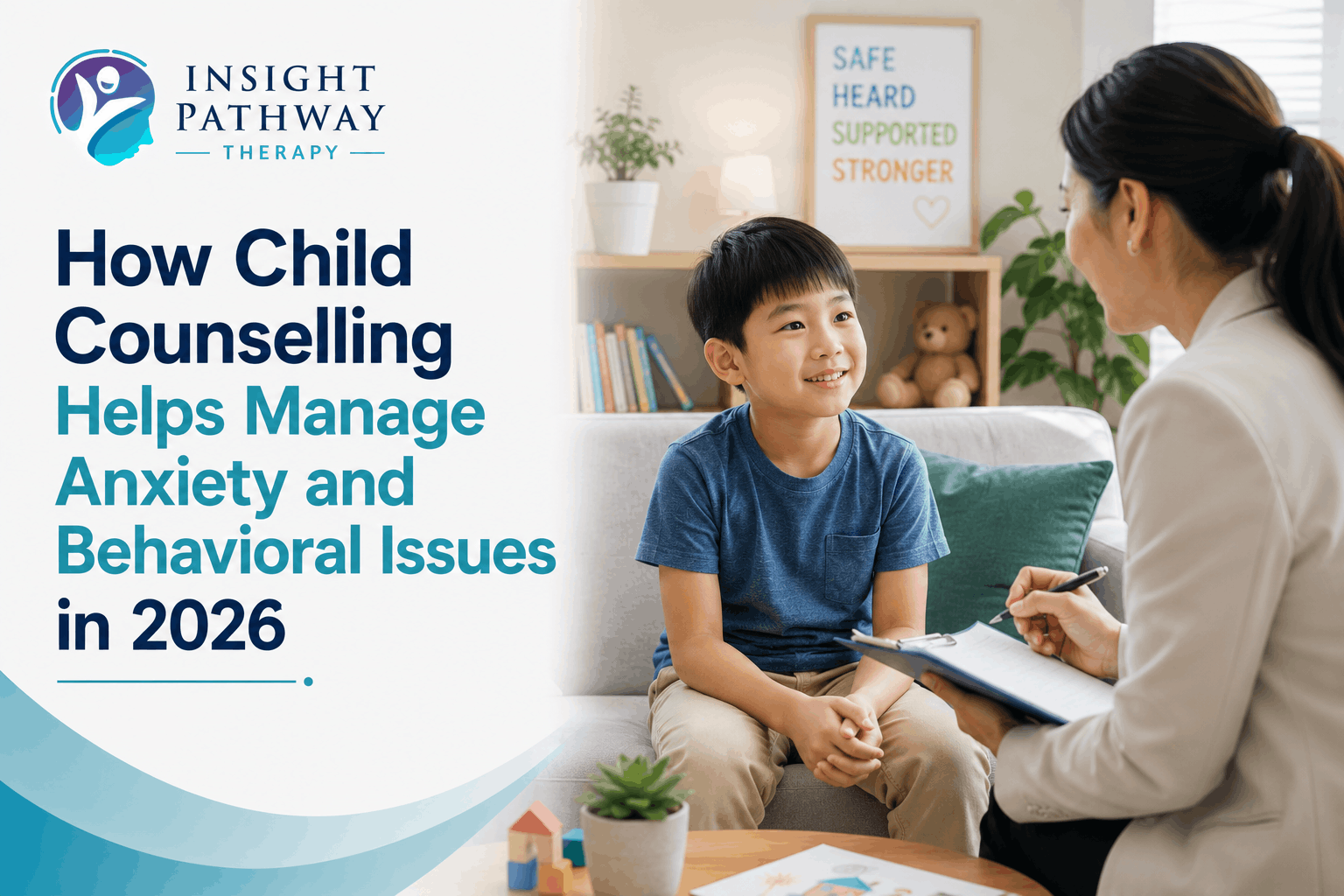
How Child Counselling Helps Manage Anxiety and Behavioural Issues
Anxiety and behavioural challenges in children are becoming more visible in 2026, not because children are weaker, but because their world has become more complex. Academic pressure, digital exposure, social comparison, and reduced emotional downtime can all contribute to emotional stress.
Many parents notice changes in their child but feel unsure about what is “normal” and what may need additional support.
This is where child counselling for anxiety can be helpful. Counselling is not about “fixing” a child; it is about understanding their inner world and giving them age-appropriate tools to cope, grow, and feel emotionally safe.
Understanding Anxiety and Behavioural Issues in Children
Anxiety in children does not always look like obvious worry or fear. Sometimes, it can show up through changes in behaviour.
Some common signs parents may notice include:
- Frequent emotional outbursts or irritability
- Avoidance of school, social situations, or new activities
- Sleep disturbances or physical complaints such as stomachaches or headaches
- Defiance or aggression
- Withdrawal from family, friends, or activities
These behaviours are not necessarily “bad habits.” They can be signals that a child is experiencing emotional difficulty.
Anxiety can feel overwhelming for children, and behaviour may become one of the ways they communicate what they are unable to express in words.
This is why child mental health counselling focuses not only on behaviour, but also on understanding the emotions and circumstances behind it.
Why Anxiety and Behavioural Concerns May Be Increasing in 2026
Children today face pressures that may be different from those experienced by previous generations.
Some challenges that can contribute to emotional stress include:
- Constant digital stimulation and difficulty switching off
- Academic performance pressure from an early age
- Less unstructured play and opportunities for emotional expression
- Social comparison through screens and peer groups
Without appropriate support, children may find it difficult to process these stressors. Anxiety can then affect behaviour, learning, relationships, and everyday routines.
Early support through counselling can help children and families understand these challenges and develop healthier ways of coping.
How Child Counselling for Anxiety Works in Real Life
Child counselling is not a one-size-fits-all approach. Support is adapted to a child's age, personality, developmental stage, and emotional needs.
1. Child Mental Health Counselling Focuses on Emotional Safety
Children may find it difficult to open up when they do not feel safe or understood.
Counsellors may use age-appropriate approaches such as play, drawing, storytelling, and gentle conversation to build trust before exploring deeper concerns.
Creating emotional safety allows children to communicate at their own pace.
2. Identifying Emotional Triggers Behind Behavioural Issues
A trained therapist can help explore:
- Situations that trigger anxiety
- How anxiety may appear emotionally and physically
- Behaviours that may be responses to stress or difficult emotions
Understanding these patterns can help shift the focus from simply reacting to behaviour towards understanding the underlying emotional needs.
3. Supporting Healthy Child Emotional Development Through Therapy
Counselling can help children develop practical emotional skills, including:
- Naming and understanding their emotions
- Using breathing and grounding techniques
- Learning ways to calm themselves during emotional overload
These skills can support healthy child emotional development and help children manage difficult experiences more effectively.
The Role of Behavioural Therapy for Children in Managing Anxiety
When anxiety affects behaviour, behavioural therapy for children may form part of the therapeutic approach.
Instead of focusing only on punishment or rewards, therapy can explore:
- Why a particular behaviour is occurring
- Healthier alternatives to unhelpful responses
- Problem-solving and coping skills
Over time, children can learn to:
- Respond rather than react
- Express emotions verbally instead of primarily through behaviour
- Develop greater confidence when dealing with stress
This approach can be particularly relevant for children experiencing anger, defiance, withdrawal, or emotional shutdown alongside anxiety.
How Counselling Supports Emotional Development Long-Term
One of the potential benefits of counselling is that it can support children beyond the immediate concern that brought them to therapy.
Through consistent support, children can work towards developing:
- Emotional awareness
- Self-confidence and resilience
- Improved communication skills
- Healthier relationships with parents and peers
Child counselling for anxiety is therefore not necessarily limited to short-term symptom management. It can also help children build emotional skills that may remain useful as they grow.
Why Parental Involvement Matters in Child Counselling
Parents can play an important role in supporting a child's progress.
Depending on the child's needs and therapeutic approach, counsellors may guide parents on:
- How to respond during emotional meltdowns
- Using language that supports emotional safety
- Creating predictable and calm home routines
- Avoiding responses that may unintentionally reinforce anxiety
When parents and therapists work collaboratively, children can receive more consistent support both during counselling and at home.
This approach can also help parents feel more informed and confident about supporting their child.
When Should Parents Consider Child Counselling?
Parents may sometimes wait and hope that a child will simply “grow out of” a particular behaviour. While some behaviours are part of normal development, persistent or significantly disruptive anxiety deserves attention.
Consider seeking professional support if:
- Anxiety or behaviour consistently interferes with daily life
- Emotional reactions appear unusually intense or prolonged
- School performance or friendships are being affected
- Your child regularly struggles to calm themselves
Early child counselling can provide an opportunity to understand these concerns and develop appropriate coping strategies.
Choosing the Right Child Counsellor in 2026
When considering professional support, parents may want to look for a counsellor who:
- Has experience supporting children's mental health
- Uses age-appropriate and evidence-informed approaches
- Involves parents appropriately without blaming them
- Focuses on understanding the child rather than applying labels
A positive therapeutic relationship is an important part of the counselling process, alongside the approaches and techniques used.
Final Thoughts on Child Counselling for Anxiety and Behaviour
In 2026, supporting children's emotional well-being involves more than simply managing difficult behaviour. It means helping children understand their emotions and develop healthy ways to navigate a fast-changing world.
When anxiety is recognised and supported early, children can learn to better understand their emotions, develop coping skills, build resilience, and feel more confident in handling everyday challenges.
If your child is struggling with anxiety or behavioural changes, exploring professional child counselling may be a supportive step towards greater emotional well-being.
Sometimes, supporting children is not about solving every problem for them. It is about helping them develop the skills and confidence to navigate challenges as they grow.