
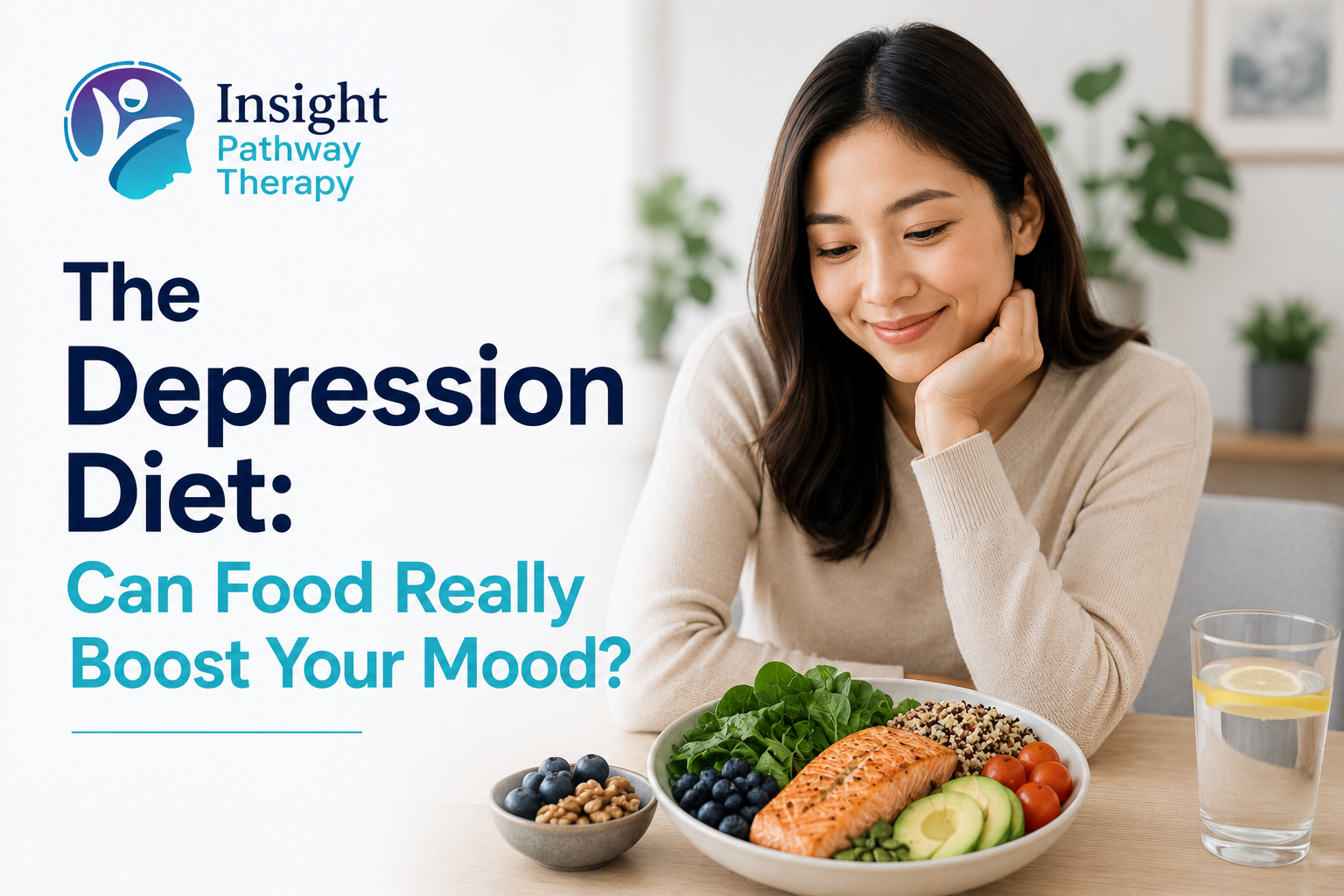
The Depression Diet: Can Food Really Support Your Mood?
Feeling low, exhausted, or emotionally drained can affect many areas of everyday life. When this happens, it is understandable to look for lifestyle changes that may support your mental well-being.
Nutrition is one part of that picture.
The foods you eat provide your body and brain with energy and essential nutrients. Eating a varied, balanced diet can support overall physical health, energy levels, and well-being.
However, it is important to be realistic about what food can and cannot do. There is no single “depression diet” that can cure clinical depression, and changing your diet should not replace therapy, medical care, or prescribed medication when these are needed.
Instead, think of nutrition as one part of a broader approach to mental health.
This article explores the relationship between diet and mental well-being, foods that provide important nutrients, eating habits that may support overall health, and other lifestyle factors that can complement professional support.
How Does Diet Influence Depression?
The relationship between nutrition and mental health is complex.
Your brain requires energy and a range of nutrients to support normal functioning. Eating a varied diet that includes vegetables, fruits, whole grains, protein sources, healthy fats, and adequate fluids can contribute to overall physical and mental well-being.
At the same time, there is no single food or nutrient that can prevent or treat depression on its own.
Mental health is influenced by many factors, including genetics, life experiences, stress, relationships, physical health, sleep, and other biological and psychological factors.
This is why nutrition is best viewed as one supportive part of a broader mental health approach rather than a standalone treatment for depression.
What Is a “Depression Diet”?
The term “depression diet” is sometimes used to describe an eating pattern focused on nutritious, minimally processed foods that support overall health.
It is not a formal medical diet or a specific treatment for depression.
Instead of following a rigid meal plan, the focus can be on gradually creating balanced eating habits.
This may include:
- Eating a variety of vegetables and fruits
- Choosing whole grains where appropriate
- Including sources of protein
- Eating foods containing healthy fats
- Staying adequately hydrated
- Maintaining reasonably regular meal patterns
- Limiting excessive consumption of highly processed foods and sugary drinks
You do not need to eat perfectly.
The goal is to nourish your body consistently rather than creating another source of pressure or guilt.
Foods That Can Support Overall Mental Well-Being
There is no definitive list of “foods that cure depression.” However, a varied diet can provide nutrients that your body and brain need for normal functioning.
Leafy Green Vegetables
Vegetables such as spinach, kale, and other leafy greens can provide nutrients including folate, magnesium, fibre, and other vitamins and minerals.
Including a variety of vegetables in your meals is one way to support overall nutritional health.
Fatty Fish
Fish such as salmon and sardines contain omega-3 fatty acids.
Omega-3 fats play important roles in the body, including supporting normal brain function.
If you eat fish, including oily fish as part of a balanced diet can be one way to obtain these fats.
Whole Grains
Foods such as oats, brown rice, and whole-grain breads provide carbohydrates, fibre, vitamins, and minerals.
Choosing whole grains can be part of a balanced eating pattern and may also help provide more sustained energy than relying primarily on highly refined foods.
Nuts and Seeds
Walnuts, almonds, chia seeds, flaxseeds, and other nuts and seeds can provide healthy fats, protein, fibre, vitamins, and minerals.
They can be added to meals or used as a convenient snack.
Fruits
Fruits such as berries, bananas, oranges, and apples provide carbohydrates, fibre, vitamins, and other nutrients.
Rather than focusing on one “best” fruit for mental health, aim for variety.
Fermented Foods
Foods such as yogurt and kefir can contain beneficial microorganisms and may support gut health.
Research into the relationship between the gut, brain, and mental health is continuing. The gut-brain connection is an interesting area of study, but it is too early to treat fermented foods as a standalone treatment for depression.
Certain foods do not automatically cause depression, and there is no need to label individual foods as “good” or “bad.”
However, reFoods and Eating Habits to Be Mindful Of
gularly relying heavily on highly processed foods, sugary drinks, or excessive caffeine may not support overall health.
Large amounts of caffeine, particularly later in the day, may also interfere with sleep or increase feelings of restlessness in some people.
Rather than trying to eliminate everything at once, consider whether your current eating patterns are providing your body with enough variety, nourishment, and regularity.
A balanced approach is usually more sustainable than strict food rules.
Sample Day of Balanced Eating
There is no single meal plan that works for everyone.
A simple day of balanced meals might look like:
Breakfast:
Oats with berries, yogurt, and a small serving of nuts or seeds.
Lunch:
Chickpeas or grilled chicken with quinoa or brown rice and a variety of roasted vegetables.
Dinner:
Baked salmon or another protein source with vegetables and a serving of sweet potato or whole grains.
Snacks:
Fruit, yogurt, nuts, or another snack that fits your nutritional needs and preferences.
This is only an example, not a prescribed depression treatment plan.
Your nutritional needs can vary depending on your age, health, activity level, dietary preferences, and other individual factors.
Dietary Habits That May Support Depression Recovery
Nutrition can be one part of caring for yourself when you are experiencing depression.
Start Small
Depression can make everyday tasks feel difficult.
Instead of trying to completely change your diet overnight, start with one manageable change.
For example, you might add one serving of vegetables to a meal or prepare a simple breakfast for the next morning.
Focus on Adding Rather Than Restricting
Strict restriction can create unnecessary stress.
Rather than focusing entirely on foods you should remove, consider what nutritious foods you can add to your routine.
Create Regular Meal Patterns
Depression can sometimes affect appetite and daily routines.
Eating at reasonably regular times may help you maintain a more consistent routine, particularly if you tend to skip meals when you are stressed or low.
Stay Hydrated
Water is important for normal bodily functioning.
Keep fluids available throughout the day and pay attention to your body's signals of thirst.
Avoid Turning Food Into Another Source of Guilt
Mental health difficulties can already involve self-criticism.
You do not need to feel guilty because you ate a particular food or had a day when your eating routine was less balanced.
A sustainable approach allows flexibility.
Beyond Food: Other Habits That Support Mental Well-Being
Nutrition is only one part of a broader approach to mental health.
Movement
Appropriate physical activity can support overall physical and emotional well-being.
This does not have to mean intense exercise. A walk, gentle stretching, or another activity you enjoy can be a realistic place to start.
Sleep
Sleep and mental health are closely connected.
Maintaining a consistent sleep routine and creating time to wind down can support your overall well-being.
Social Connection
Depression can sometimes lead people to withdraw from friends and family.
Maintaining supportive relationships, even through small interactions, can help reduce isolation.
Professional Support
Food cannot replace appropriate treatment for depression.
If you are experiencing persistent low mood, loss of interest, hopelessness, significant changes in sleep or appetite, or difficulty functioning in daily life, consider speaking with a mental health professional or doctor.
Therapy, medication, lifestyle changes, or a combination of approaches may be considered depending on your individual circumstances.
Final Thoughts: Nutrition Is Part of the Bigger Picture
The idea of a “depression diet” can be useful when it encourages healthier and more consistent eating habits, but food should not be presented as a cure for depression.
A balanced diet can support your overall physical health and provide your body and brain with important nutrients. However, depression is a complex mental health condition that can have many contributing factors.
Think of nutrition as one part of your broader well-being.
Alongside nourishing food, consider sleep, movement, social connection, emotional support, and professional care when needed.
You do not have to change everything at once.
Start with one manageable step, be patient with yourself, and remember that caring for your mental health involves more than what is on your plate.