The Effects of Social Media on Mental Health: What You Need to Know
Social media is now part of everyday life for many people. Platforms such as Instagram, Facebook, TikTok, and Snapchat allow us to connect with friends, share experiences, watch entertaining content, and keep up with current events.
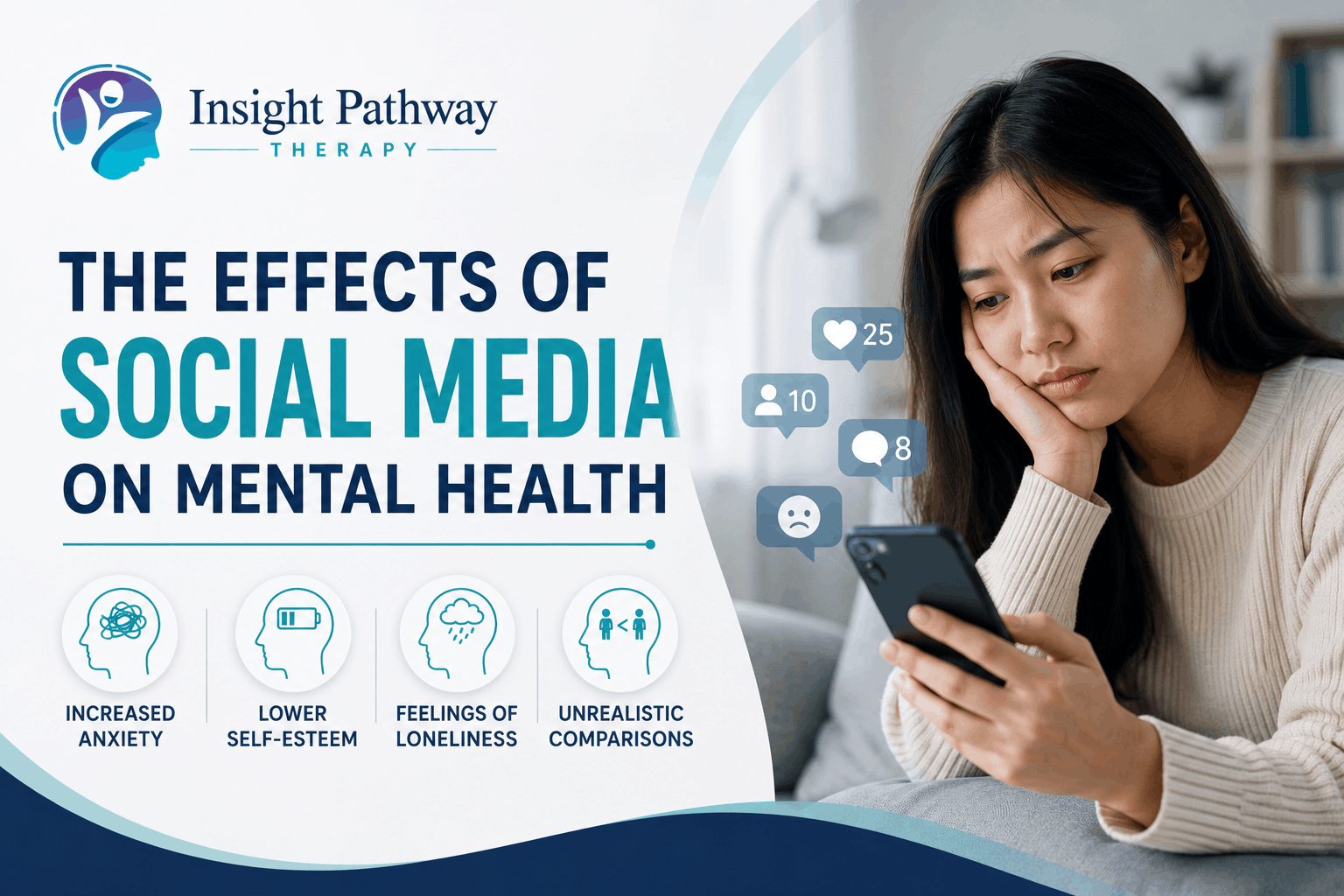
Social media can be enjoyable and helpful, but how we use it may also influence our emotional well-being. Spending a lot of time online, constantly comparing yourself with others, experiencing cyberbullying, or feeling pressure to present a certain image can affect how you feel about yourself and your life.
This blog explores the effects of social media on mental health, including its potential connection with stress, loneliness, low self-esteem, sleep difficulties, and emotional distress. We’ll also look at why youth mental health deserves particular attention and what you can do to develop healthier social media habits.
The Link Between Social Media and Mental Health
The effects of social media on mental health are not always obvious. You may not immediately notice that certain online habits are affecting your mood or self-esteem.
Social media often presents carefully selected versions of people's lives. Photos, achievements, holidays, relationships, and exciting experiences may appear constantly in your feed, while everyday struggles are usually less visible.
Comparing your real life with these carefully presented images can sometimes leave you feeling inadequate, lonely, left out, or dissatisfied with your own life.
Social media can also create pressure around likes, comments, followers, and online engagement. For some people, constantly checking notifications or wondering how others will respond to a post can contribute to stress and emotional dependence on online feedback.
What Is Meant by “Social Media Depression”?
“Social media depression” is sometimes used informally to describe feelings of sadness, loneliness, low self-worth, or emotional distress associated with social media experiences.
It is important to understand that social media depression is not a formal clinical diagnosis. Feeling low after using social media does not necessarily mean someone has depression.
However, certain online experiences may contribute to emotional difficulties. For example, someone may feel rejected when a post receives little engagement, compare themselves with people who appear happier or more successful, or experience cyberbullying and negative comments.
If these experiences are frequent and begin affecting sleep, relationships, school, work, or enjoyment of everyday activities, it may be helpful to talk to a mental health professional.
Youth Mental Health and Social Media Use
Young people spend significant amounts of time communicating and socialising online. For many teenagers, social media is an important part of friendships, identity, entertainment, and everyday communication.
At the same time, adolescence is a period of significant emotional and social development. Experiences involving rejection, comparison, cyberbullying, appearance pressure, or social exclusion can feel particularly intense.
Social media may also influence how young people think about appearance, popularity, success, and belonging.
The effects of social media on mental health can therefore become an important part of conversations about youth mental health. Parents, caregivers, teachers, and other trusted adults can help by creating spaces where young people feel comfortable discussing their online experiences without immediately feeling judged or punished.
If a young person is regularly withdrawing from others, experiencing persistent changes in mood, struggling to sleep, losing interest in activities, or showing signs of significant emotional distress, additional support may be appropriate.
Too Much Screen Time and Its Impact
The amount of time spent on social media is one factor worth considering, but it is not the only one. How you use social media and how it makes you feel can be just as important.
Spending long periods scrolling can reduce the time available for sleep, exercise, face-to-face connection, hobbies, studying, or other activities that support well-being.
Using social media late at night may also interfere with healthy sleep routines. Poor sleep can make it harder to concentrate, regulate emotions, and cope with everyday stress.
Rather than focusing only on a specific number of hours, pay attention to whether social media use is interfering with important parts of your daily life.
For example, ask yourself:
- Am I regularly staying up late to scroll?
- Do I reach for my phone whenever I feel bored or uncomfortable?
- Do I feel anxious when I cannot check social media?
- Do I frequently compare myself with people online?
- Do I feel worse about myself after scrolling?
- Is social media replacing sleep, exercise, hobbies, or time with people I care about?
Can Social Media Help Mental Health?
Social media is not necessarily harmful. Used thoughtfully, it can also have positive aspects.
Online communities can help people feel connected, particularly when they are geographically separated from friends or family. People may also find educational information, peer support, mental health resources, and communities built around shared interests or experiences.
For someone who feels isolated, finding a supportive online community can sometimes reduce feelings of being alone.
However, online information should be approached thoughtfully. Not everything shared on social media is accurate, evidence-based, or appropriate for an individual's situation.
Social media can complement real-world support, but it should not necessarily replace professional mental health care when someone is experiencing significant or persistent distress.
How to Manage Social Media for Better Mental Health
If you notice that social media is affecting your mood or well-being, small changes can help you develop a healthier relationship with it.
Notice How You Feel After Using Social Media
Pay attention to your emotional state before and after scrolling.
Do you feel relaxed, entertained, connected, inspired, anxious, jealous, or inadequate?
Understanding your emotional response can help you identify which types of content or habits may not be serving you well.
Take Regular Breaks
You do not have to be constantly available online.
Taking short breaks throughout the day can create space for other activities and reduce the habit of automatically checking your phone.
Protect Your Sleep
Consider creating a period without social media before bedtime.
Instead of scrolling late into the night, try reading, listening to music, journaling, or simply giving yourself time to wind down.
Review the Accounts You Follow
Your social media feed can influence what you repeatedly think about.
Consider unfollowing, muting, or limiting content that consistently makes you feel inadequate, anxious, angry, or overwhelmed.
Choose content that is more supportive, informative, enjoyable, or aligned with your values.
Make Time for Offline Connection
Online interaction can be meaningful, but face-to-face relationships and everyday activities also matter.
Make space for family, friends, hobbies, exercise, time outdoors, and activities that help you feel grounded.
Talk to Someone When Social Media Is Affecting You
If social media is contributing to persistent sadness, anxiety, loneliness, low self-esteem, sleep difficulties, or problems in your relationships, you do not have to manage these experiences alone.
Consider speaking with someone you trust, such as a parent, friend, teacher, school counsellor, or mental health professional.
For young people especially, having a safe adult who listens without immediately judging can make it easier to talk about difficult online experiences.
Remember That Social Media Is Only One Part of Life
Social media can influence how we see ourselves and the world around us, but it does not define your worth.
A person's online presence rarely shows the complete picture of their life. Behind carefully selected photos and short videos are ordinary days, struggles, uncertainty, and experiences that may never appear online.
Your real relationships, interests, values, health, and everyday experiences matter beyond what happens on a screen.
Final Thoughts: Building a Healthier Relationship With Social Media
The effects of social media on mental health can vary from person to person. Social media can provide connection, entertainment, information, and support, but certain patterns of use may also contribute to comparison, stress, loneliness, sleep difficulties, and concerns about self-worth.
Young people may need particular support as they navigate social media alongside important stages of emotional and social development.
The goal does not necessarily have to be avoiding social media completely. Instead, it can be about becoming more intentional about how you use it and recognising when it is beginning to affect your well-being.
If social media consistently leaves you feeling anxious, isolated, overwhelmed, or unhappy with yourself, consider taking a step back and talking to someone you trust.
Your mental health matters both online and offline.