Feeling close to someone should feel warm and safe, but for many adults, emotional closeness activates discomfort, fear, or the urge to pull away. If you’ve ever longed for connection but struggled to relax into intimacy, you might be experiencing attachment issues in relationships.
Rather than being a personality flaw, attachment patterns are rooted in early experiences, emotional safety, and the nervous system. Understanding how they show up in adulthood can transform how you communicate, connect, and create healthier love.
Let’s gently unpack why closeness can feel scary, how different attachment styles behave, and what healing can look like.
Why Attachment Issues in Relationships Develop
Many adults assume that their attachment habits began in romantic relationships, but attachment wiring starts long before dating. As children, our brains learn what intimacy feels like through the quality of caregiving, emotional presence, and responsiveness.
When emotional safety was predictable, the nervous system developed trust. When safety was inconsistent, overwhelming, or painful, closeness became confusing.
Attachment issues in relationships are emotional strategies, not flaws or failures. They are the body’s way of protecting against vulnerability, loss, rejection, or emotional overwhelm.

Understanding Avoidant Attachment Behavior
Some people fear closeness so intensely that emotional bonding feels threatening rather than comforting. This can lead to avoidant attachment behavior, where intimacy feels suffocating or risky.
Why Avoidants Pull Away
Avoidant adults may:
- minimize emotional conversations
- shut down during conflict
- feel tense when someone relies on them
- crave independence more than connection
- struggle to express feelings
- avoid commitment or labels
The fear isn’t about the partner, it’s about emotional exposure. Deep closeness activates old memories of overwhelm, unpredictability, or unmet emotional needs.
Avoidant adults often learned early on that opening up didn’t feel safe. Independence became a survival skill. So even when they love someone, closeness can feel suffocating or confusing.
The Paradox of Avoidant Styles
Avoidant patterns don’t mean a lack of desire for love. Many avoidant adults long for connection but feel more comfortable loving from emotional distance. It’s not rejection, it’s self-protection.
Anxious Attachment Patterns and Fear of Loss
On the other side are anxious attachment patterns, where closeness feels deeply important and separation feels threatening.
What Anxious Attachment Looks Like
Anxiously attached adults may:
- crave reassurance
- overanalyze emotional signals
- fear abandonment
- feel insecure when someone is unavailable
- become hypervigilant during distance
- interpret silence as rejection
Underneath these reactions is sensitive emotional wiring. When closeness is inconsistent, the nervous system becomes alarmed. Emotional availability feels unpredictable, so the brain constantly seeks safety.
Fear of Losing Connection
Anxious attachment styles often come from caregivers who were emotionally inconsistent, present sometimes, withdrawn at other times. So unpredictability now feels frightening.
When emotional signals feel uncertain, relationship insecurity rises quickly. Instead of relaxing into love, the nervous system searches for signs of danger, miscommunication, or abandonment.
Why Emotional Intimacy Feels Scary
Whether avoidant or anxious, many adults struggle with emotional intimacy issues because closeness requires:
- trust
- vulnerability
- emotional presence
- communication
- shared regulation
These are not small asks. Emotional closeness is nervous-system work. The body stores attachment wounds, and closeness can trigger:
- fear of disappointment
- fear of rejection
- fear of losing independence
- fear of not being enough
- fear of relying on someone emotionally
- fear of conflict or criticism
When emotional intimacy feels risky, attachment issues in relationships don’t just live in the mind, they live in the body. The nervous system remembers every moment when closeness once felt painful or unpredictable.
How Relationship Insecurity Shows Up
Relationship insecurity is a common outcome of attachment issues. It can show up as:
overthinking emotional signals
- difficulty trusting positive intentions
- discomfort when someone gets emotionally close
- fear of commitment or emotional dependency
- constant worry about losing the relationship
- shutting down during emotional conflict
Insecure attachment styles aren’t about logic, they’re about emotional memory. Even when a partner is safe, the body may not feel safe yet.
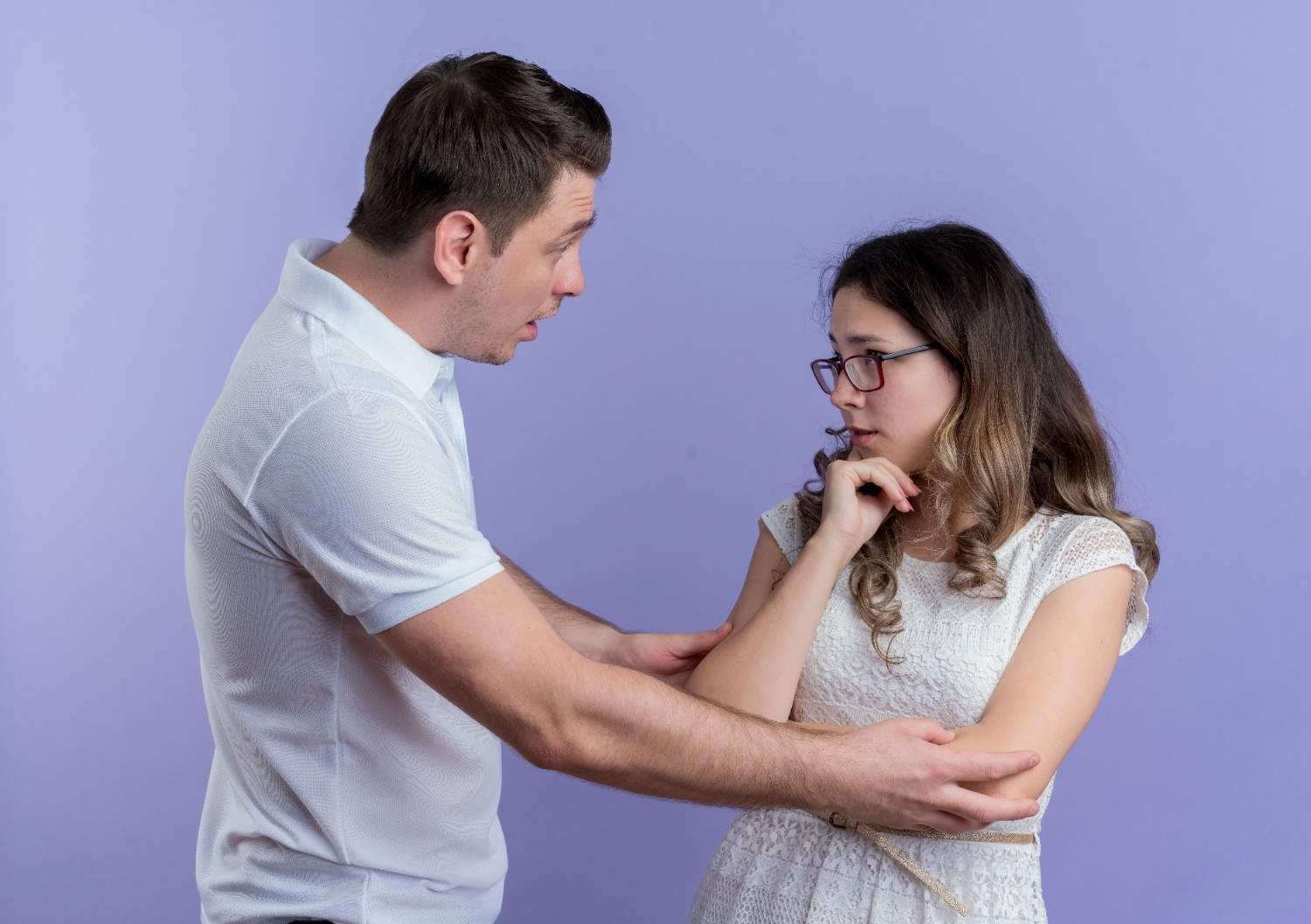
Why Closeness Activates the Nervous System
Attachment is physiological. When emotional intimacy grows, the nervous system anticipates vulnerability.
For avoidant adults, closeness feels like a loss of space or autonomy, nervous system activation says: danger, retreat.
For anxious adults, distance feels like abandonment, nervous system activation says: danger, pursue.
Neither is dramatic. Both are protective.
Attachment issues in relationships are the nervous system trying to prevent emotional pain using strategies that once worked, even if they now cause stress.
What Healing Attachment Looks Like
Healing is not about becoming the “perfect partner.” It’s about increasing emotional safety, communication, and regulation.
1. Learning to Stay Present With Discomfort
Emotional intimacy will create discomfort at first. Healing begins when you stay in connection a little longer without shutting down or panicking.
2. Naming Your Feelings Instead of Reacting
Naming your attachment fears helps soften them:
- “I feel overwhelmed when emotions get intense.”
- “I need reassurance, not silence.”
- “I need space to process instead of disappearing.”
Naming feelings builds emotional intimacy instead of emotional protection.
3. Practicing Co-Regulation
Regulation is easier when shared. Slow breathing, grounding, warm tone, and calm body language help the nervous system trust closeness.
4. Building Secure Attachment
Secure attachment develops slowly through:
- consistency
- emotional safety
- non-defensive responses
- honest conversations
- mutual respect
Secure attachment is learned, not automatic. It grows through repeated experiences of being emotionally safe, over time.
5. Understanding Your Partner’s Style
When you understand each other’s patterns, you stop taking reactions personally. Instead of seeing a trigger as rejection or clinginess, you see emotional survival strategies.
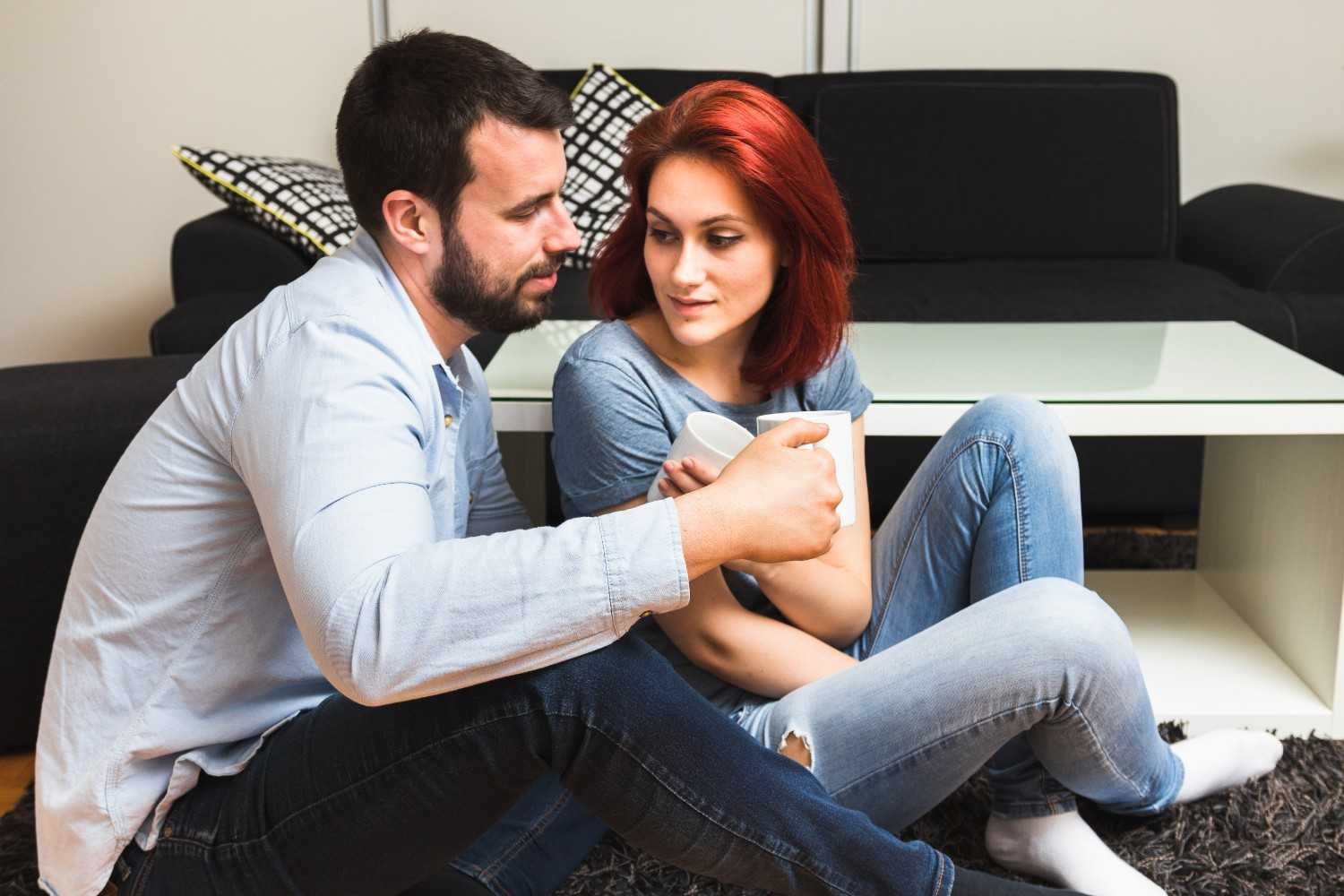
How Therapy Helps Attachment Healing
A therapist can help you:
- understand your attachment patterns
- regulate emotional triggers
- improve communication
- heal attachment trauma
- rebuild emotional safety
Therapy creates a space to explore emotional intimacy issues without judgment and learn new relational skills.
If your relationship also involves stress, emotional overload, or conflict, counselling can be deeply supportive. You might find this helpful:
Managing Stress in Relationships: How Counselling Can Help
Final Thoughts
If you experience attachment issues in relationships, you are not broken, unloving, or incapable of closeness. You are carrying emotional patterns that once protected you.
Avoidant attachment behavior is not coldness, it is self-protection.
Anxious attachment patterns are not neediness; they are longing for safety.
Relationship insecurity is not irrational, it is nervous-system memory.
Closeness becomes less scary when emotional safety is consistent, communication is gentle, and partners learn to co-regulate instead of escalating.
You deserve relationships where vulnerability feels welcomed, reassurance feels natural, and emotional intimacy feels safe, not overwhelming.
Healing attachment is not instant, but it is absolutely possible. And every small step toward emotional closeness becomes a step away from fear.