Anxiety and behavioral challenges in children are becoming more visible in 2026, not because children are weaker, but because their world has become more complex. Academic pressure, digital exposure, social comparison, and reduced emotional downtime all play a role.
Many parents notice changes but feel unsure about what’s “normal” and what needs support. This is where child counselling for anxiety becomes not just helpful, but essential. Counselling today is no longer about “fixing” a child; it’s about understanding their inner world and giving them tools to cope, grow, and feel safe emotionally.
Understanding Anxiety and Behavioral Issues in Children
Anxiety in children doesn’t always look like worry or fear. Often, it shows up as behavior.
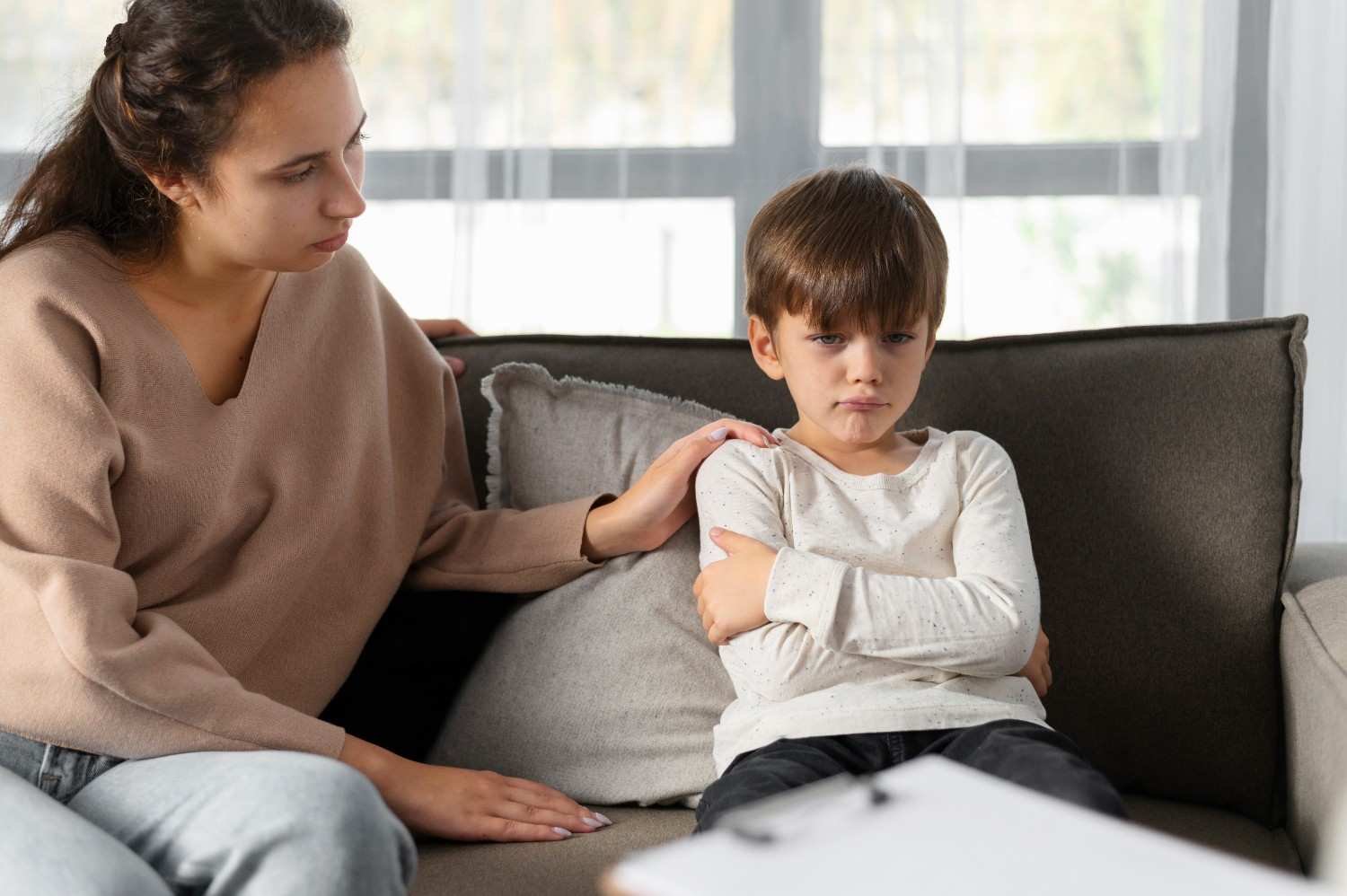
Some common signs parents notice include:
- Frequent emotional outbursts or irritability
- Avoidance of school, social situations, or new activities
- Sleep disturbances or physical complaints (stomachaches, headaches)
- Defiance, aggression, or withdrawal
These behaviors are not “bad habits.” They are signals. Anxiety overwhelms a child’s nervous system, and behavior becomes their language.
This is why modern child mental health counselling focuses less on controlling behavior and more on understanding the emotional cause behind it.
Why Anxiety and Behavioral Concerns Are Rising in 2026
Children today face pressures that didn’t exist a generation ago. In 2026, therapists consistently see patterns linked to:
- Constant digital stimulation and reduced emotional regulation
- Academic performance pressure starts at a younger age
- Less unstructured play and emotional expression
- Social comparison through screens and peer groups
Without guidance, children struggle to process these stressors. Over time, anxiety spills into behavior, learning, and relationships.
Early support through counselling helps prevent these challenges from becoming long-term patterns.
How Child Counselling for Anxiety Works in Real Life
Child counselling is not one-size-fits-all. It adapts to a child’s age, personality, and emotional maturity.
1. Child Mental Health Counselling Focuses on Emotional Safety
Children cannot open up unless they feel safe. Counselors use play, drawing, storytelling, and gentle conversation to build trust before addressing deeper concerns.
2. Identifying Emotional Triggers Behind Behavioral Issues
A trained therapist helps uncover:
- What situations trigger anxiety
- How anxiety manifests emotionally and physically
- Which behaviors are coping responses
This insight allows therapy to target the root, not just the reaction.
3. Supporting Healthy Child Emotional Development Through Therapy
Children learn:
- How to name emotions accurately
- Breathing and grounding techniques
- Ways to calm their body during emotional overload
This supports long-term child emotional development, not just short-term relief.
The Role of Behavioral Therapy for Children in Managing Anxiety
When anxiety affects behavior, behavioral therapy for children plays a key role.

Instead of punishment or reward-based fixes, therapy focuses on:
- Understanding why a behavior exists
- Replacing unhelpful responses with healthier ones
- Strengthening problem-solving and coping skills
Over time, children begin to:
- Respond rather than react
- Express emotions verbally instead of behaviorally
- Feel more confident handling stress
This approach is especially effective for children struggling with anger, defiance, or emotional shutdown linked to anxiety.
How Counselling Supports Emotional Development Long-Term
One of the biggest benefits of counselling is that it supports growth beyond the immediate issue.
Through consistent sessions, children develop:
- Emotional awareness
- Self-confidence and resilience
- Improved communication skills
- Healthier relationships with parents and peers
This is why child counselling for anxiety is not just a short-term intervention; it’s an investment in emotional health that carries into adolescence and adulthood.
Why Parental Involvement Matters in Child Counselling
Modern child counselling actively involves parents.
Therapists guide parents on:
- How to respond during emotional meltdowns
- Language that supports emotional safety
- Creating predictable, calm home routines
- Avoiding unintentional anxiety reinforcement
When parents and therapists work together, progress becomes faster and more sustainable.
This collaborative approach also helps parents feel empowered instead of helpless.
When Should Parents Consider Child Counselling?
Parents often wait too long, hoping a child will “grow out of it.” While some behaviors are developmental, persistent anxiety is not something to ignore.
Consider professional support if:
- Anxiety or behavior interferes with daily life
- Emotional reactions seem extreme or prolonged
- School performance or friendships are affected
- Your child struggles to calm themselves
Early child counselling prevents patterns from becoming deeply ingrained.
Choosing the Right Child Counselor in 2026
Look for a counselor who:
- Specializes in child mental health counselling
- Uses age-appropriate, evidence-based methods
- Involves parents without blaming them
- Focuses on emotional understanding, not labels
A good therapeutic relationship matters as much as technique.
Final Thoughts on Child Counselling for Anxiety and Behavior
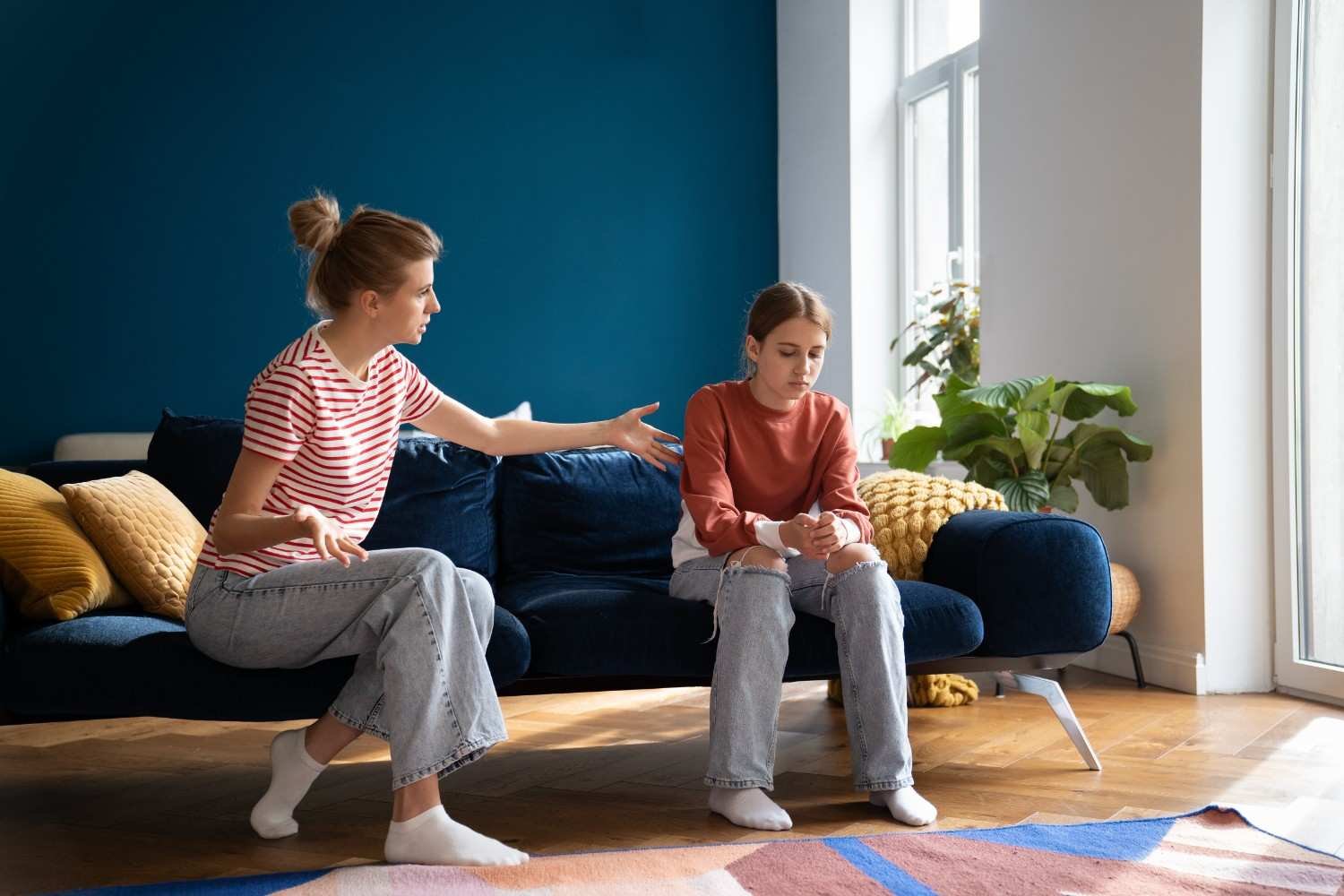
In 2026, child counselling is no longer just about managing difficult behavior; it’s about helping children understand themselves in a fast-changing world.
When anxiety is addressed early, children don’t just behave better, they feel better. They learn how to navigate emotions, build resilience, and trust their inner voice.
If your child is struggling, exploring professional child counselling can be a supportive, compassionate step toward emotional balance and long-term well-being.
Sometimes, the greatest gift we give children is not solving their problems, but teaching them how to handle them.