Feeling anxious in healthy relationships can be deeply confusing. On paper, everything looks right. Your partner is kind, consistent, emotionally available, and supportive. There’s no obvious red flag, yet inside, you feel unsettled. You might overthink, brace for disappointment, or feel an unexplained urge to pull away.
If this sounds familiar, you’re not broken, and you’re not alone. Healthy relationship anxiety is far more common than people realise, especially for those whose nervous systems learned love through unpredictability, emotional distance, or inconsistency.
Let’s explore why anxiety can show up when things are actually going well, what your body is responding to, and how safety can slowly start to feel safe.
Why Anxiety Appears in Healthy Relationships
Many people expect anxiety to show up in unstable or unhealthy dynamics. But when you’re anxious in healthy relationships, the cause is rarely the partner; it’s the emotional memory stored in your nervous system.
Your body doesn’t measure safety the same way your mind does. Even when logic says, “This relationship is good,” your nervous system may still be asking, “Is this really safe?”
This disconnect often fuels relationship anxiety without a clear reason.

The Nervous System’s Role in Relationship Anxiety
Your Body Learned Love Through Uncertainty
If emotional closeness in your past came with rejection, emotional inconsistency, or abandonment, your nervous system adapted by staying alert. Calm didn’t feel normal; tension did.
So when you enter a stable connection, your body doesn’t relax. Instead, it scans for danger.
This is why anxiety in relationships can increase when things feel calm, predictable, and emotionally close.
Safety Feels Unfamiliar, Not Comforting
For many people, chaos was familiar growing up. Safety was inconsistent. As adults, healthy relationships can feel emotionally “too quiet,” triggering discomfort rather than peace.
That discomfort doesn’t mean the relationship is wrong. It means your system hasn’t learned this version of love yet.
Why Healthy Relationship Anxiety Feels So Intense
Closeness Requires Vulnerability
Healthy relationships invite emotional openness, being seen, known, and emotionally accessible. For someone with past relational wounds, this activates a fear of emotional intimacy.
Your mind may think:
- “What if I get hurt?”
- “What if I’m not enough?”
- “What if I lose myself?”
Your body may respond with anxiety, tension, or withdrawal.
There’s Nothing to Blame; So Anxiety Turns Inward
When a relationship is clearly unhealthy, anxiety has somewhere to land. But when things are good, anxiety turns inward and becomes self-doubt, overthinking, or emotional hypervigilance.
This is a hallmark of being anxious in healthy relationships.
Common Signs You’re Anxious in a Healthy Relationship
Healthy relationship anxiety doesn’t always look dramatic. Often, it’s subtle and internal.

You Overthink Small Changes
A delayed text or a quieter tone suddenly feels loaded with meaning.
You Feel Restless When Things Are Calm
Instead of relaxing, you feel uneasy when there’s no conflict.
You Fear Emotional Dependence
Needing someone feels dangerous, even though connection is healthy.
You Question Your Feelings Constantly
You ask yourself, “Do I really love them?” or “What if I’m making a mistake?”
You Want Closeness, but Also Want Distance
This push-pull dynamic is common in relationship anxiety rooted in attachment wounds.
Attachment Patterns and Anxiety in Relationships
Attachment styles play a major role in how we experience safety.
Anxious Attachment
People with anxious attachment often fear abandonment. Even in healthy relationships, they may feel emotionally on edge, constantly checking for reassurance.
Avoidant Attachment
Avoidant patterns can also feel anxious. Emotional closeness may trigger discomfort, leading to distancing or emotional shutdown.
Both patterns can result in anxiety in relationships, especially when intimacy deepens.
Why Calm Love Can Feel Threatening
Your System Learned Love Through Effort
If love once required over-functioning, pleasing, or emotional vigilance, ease can feel unsafe.
Stability Removes Distraction
In chaotic relationships, anxiety is focused outward. In healthy ones, emotional stillness allows unresolved fears to surface.
Being Seen Feels Risky
Healthy relationships invite authenticity. Being fully seen can activate old fears of rejection or inadequacy.
This is why fear of emotional intimacy often intensifies in emotionally safe relationships.
How to Calm Anxiety in Healthy Relationships
Healing doesn’t mean forcing yourself to “just relax.” It means working with your nervous system, not against it.

1. Normalise the Anxiety
Feeling anxious in healthy relationships doesn’t mean something is wrong. It means your body is learning something new.
2. Focus on Regulation, Not Reassurance
Constant reassurance can temporarily soothe anxiety, but long-term relief comes from calming your nervous system through breathing, grounding, and self-soothing practices.
3. Name What’s Happening
Saying, “This feels unfamiliar, not unsafe,” helps separate the past from the present.
4. Build Tolerance for Emotional Safety
Spend time noticing moments of consistency and care. Let your body gather evidence that safety can last.
5. Communicate Gently
You don’t need to share everything, but naming that closeness brings up anxiety can reduce internal pressure and shame.
When Relationship Anxiety Needs Support
You might benefit from professional support if:
- Anxiety increases as relationships deepen
- You repeatedly doubt healthy partners
- Emotional intimacy feels overwhelming
- You sabotage stable relationships
- Fear outweighs joy
Therapy can help retrain your nervous system, explore attachment patterns, and reduce healthy relationship anxiety without losing connection.
Anxiety Doesn’t Mean the Relationship Is Wrong
This is important to hear:
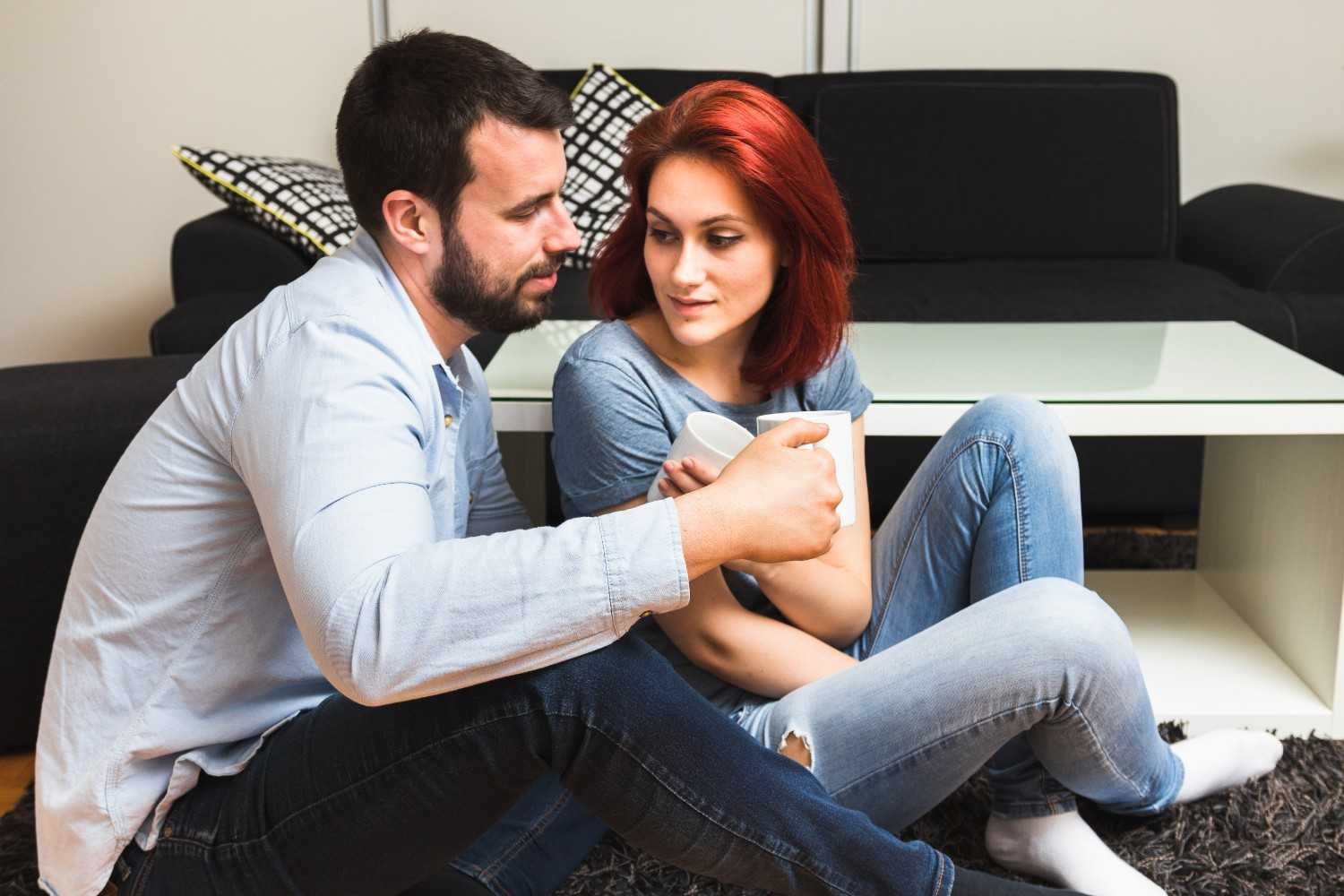
Being anxious in healthy relationships does not mean:
- You chose the wrong partner
- You don’t love them
- Something bad is about to happen
- You’re incapable of intimacy
It means your system learned love under different conditions, and now it’s adjusting.
Final Thoughts
If you feel anxious in healthy relationships, you are not failing at love. You are learning it in a new way.
Relationship anxiety isn’t a sign to leave; it’s often a sign to slow down, listen inward, and create emotional safety within yourself.
As your nervous system learns that closeness doesn’t equal danger, calm will feel less threatening, and connection will feel more grounding.
Healthy love isn’t loud or chaotic. Sometimes, it’s quiet, and that quiet takes time to trust.