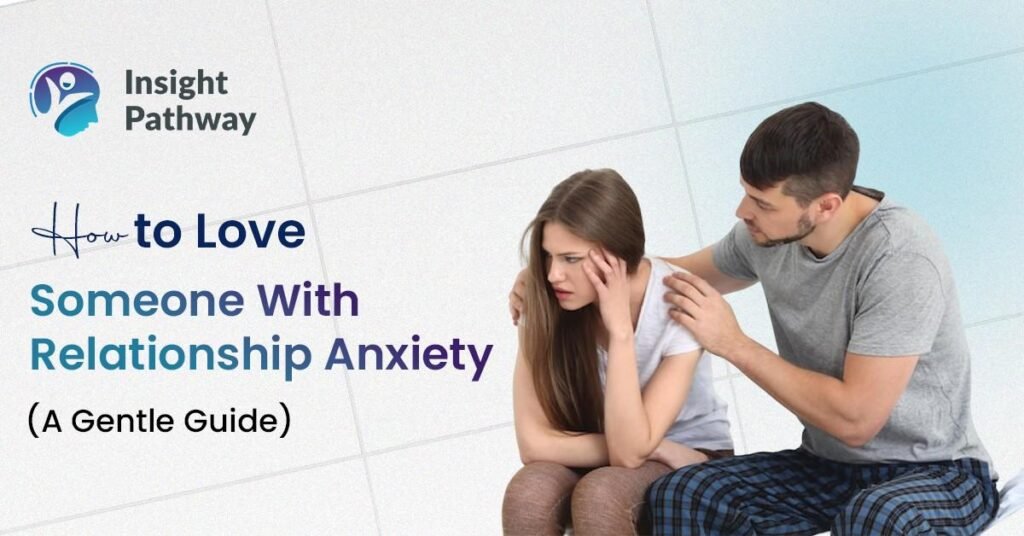
Loving someone isn’t always complicated, but loving someone who carries fear, overthinking, or emotional triggers can feel confusing at times. If you’re wondering how to love someone with relationship anxiety, you’re already on the right path, because awareness and patience are the first steps toward deeper emotional safety.
Relationship anxiety isn’t insecurity, neediness, or drama. It’s a psychological response shaped by past wounds, fear of abandonment, or overwhelming thoughts that feel impossible to control. When you understand this, loving your partner becomes easier, more compassionate, and more connected.
This guide will help you strengthen your bond, create emotional safety, and support your partner with relationship anxiety without losing yourself in the process.
Understanding What Relationship Anxiety Really Looks Like

Anxiety Isn’t a Choice, It’s a Triggered Emotional Response
People with relationship anxiety often experience intense thoughts like:
“What if they leave?”
“What if I’m not enough?”
“What if they’re hiding something?”
If you’re dating someone with anxiety, know that these thoughts aren’t about you, they’re about fear. Understanding this helps you approach their feelings with empathy instead of frustration.
Their Anxiety Comes From Past Experiences, Not Your Actions
Relationship anxiety is often rooted in:
- Past heartbreak
- Emotional neglect
- Inconsistent or unstable partners
- Abandonment trauma
- Childhood emotional wounds
Recognizing the sources helps you offer relationship anxiety support that feels validating rather than dismissive.
How to Love Someone With Relationship Anxiety Without Feeling Overwhelmed
Offer Reassurance Without Over-Reassuring
Someone with anxiety may seek reassurance repeatedly, but constant reassurance can accidentally feed their anxiety instead of calming it.
Instead of saying:
“Don’t worry, everything’s fine.”
Try saying:
“I understand why you feel this way. Let’s talk about it together.”
Reassurance should feel grounding, not enabling. The goal is emotional safety, not dependency.
Stay Consistent, It Reduces Their Internal Fear
Consistency is medicine for an anxious mind. Small patterns matter:
- Calling when you say you will
- Following through on small promises
- Being predictable in your emotional behavior
This helps your partner with relationship anxiety feel secure, not uncertain.
Communicate Clearly and Honestly
Ambiguity triggers anxiety.
Clarity soothes it.
When loving someone with relationship anxiety, be direct:
- Say what you feel
- Say what you need
- Say what your intentions are
Healthy communication builds the emotional safety they crave.
Creating Emotional Safety for a Partner With Relationship Anxiety
Validate Their Feelings Instead of Fixing Them
People with anxiety don’t always want solutions. Sometimes they just want understanding.
Try saying:
- “It makes sense you feel that way.”
- “I’m here with you.”
- “Your feelings are valid.”
Validation brings calm. Fixing immediately can feel dismissive.
Learn Their Triggers So You Can Respond Gently
Every person has unique anxiety triggers, such as:
- Delayed responses
- Cancelled plans
- Tone changes
- Feeling ignored
- Emotional distance
Understanding these triggers doesn’t mean you’re responsible for them, but it helps you respond compassionately.
Encourage Open Conversations About Fear
Ask gentle questions like:
- “What usually triggers your anxiety?”
- “What helps you feel safe with me?”
- “How can I support you when you’re overwhelmed?”
These conversations deepen trust and emotional intimacy.
What NOT to Do When Dating Someone With Anxiety
Don’t Take Their Anxiety Personally
Their fear isn’t a reflection of your worth or your behavior. It’s an internal battle, not a judgment of you.
Don’t Use Their Anxiety Against Them
Statements like:
- “You’re overreacting.”
- “Why are you so insecure?”
- “You’re too much.”
These are emotionally harmful and increase anxiety, shame, and fear of abandonment.
Don’t Expect Them to ‘Just Relax’
An anxious brain can’t simply turn off. Support should be patient and steady, not forceful.
Healthy Ways to Support Someone With Relationship Anxiety
Set Boundaries That Protect Both of You
Boundaries aren’t punishment, they are structure.
Examples:
- “I can reassure you, but I can’t text constantly during work.”
- “I love you, but I need quiet time when I’m overwhelmed too.”
Healthy boundaries make the relationship stable and sustainable.
Encourage Self-Regulation, Not Dependence
You can support them, but you cannot be their only coping mechanism.
Gently encourage:
- Therapy
- Journaling
- Mindfulness
- Breathing exercises
- Self-soothing techniques
This helps them build emotional independence.
Celebrate Their Progress
Even small wins matter.
- Speaking up?
- Expressing emotions healthily?
- Calming themselves quicker?
Acknowledge it. Recognition builds confidence and reduces anxiety over time.
Building a Stronger Relationship With Emotional Understanding
Practice Patience, Healing Takes Time
Loving someone with anxiety means embracing a journey, not a quick fix. Your steady presence becomes part of their healing.
Make the Relationship a Safe Place, Not a Stress Source
Small things help:
- Gentle tones
- Honest communication
- Quality time
- Emotional consistency
Safety isn’t about perfection, it’s about effort.
Focus on Connection, Not Correction
Your partner doesn’t need perfection.
They need partnership.
Correcting their anxiety won’t help, connecting with them will.
Final Thoughts: Love Can Be Healing When It’s Safe and Consistent
Learning how to love someone with relationship anxiety isn’t about fixing them, it’s about understanding them. When you offer emotional clarity, consistency, validation, and healthy boundaries, you help them feel safe enough to love openly and confidently.
With patience, communication, and compassion, your relationship can become the calm place their heart has always searched for.