
Many people experience morning anxiety even before they’ve had breakfast. You wake up with a racing heart, tense shoulders, looping thoughts, or a sense of pressure to get the day started. Even when nothing is “wrong,” mornings can feel heavy, rushed, or emotionally overwhelming.
If that sounds familiar, you’re not alone. Morning anxiety symptoms are incredibly common and often linked to the body’s natural cortisol rise, unfinished worries from yesterday, emotional overload, or disrupted sleep. The good news? With small lifestyle tweaks and intentional routines, you can calm anxiety every morning and start your day with more clarity and emotional ease.
Let’s explore six helpful habits that make mornings calmer, more grounded, and easier for your nervous system to adjust to.
1.Start With Stillness Instead of Screens
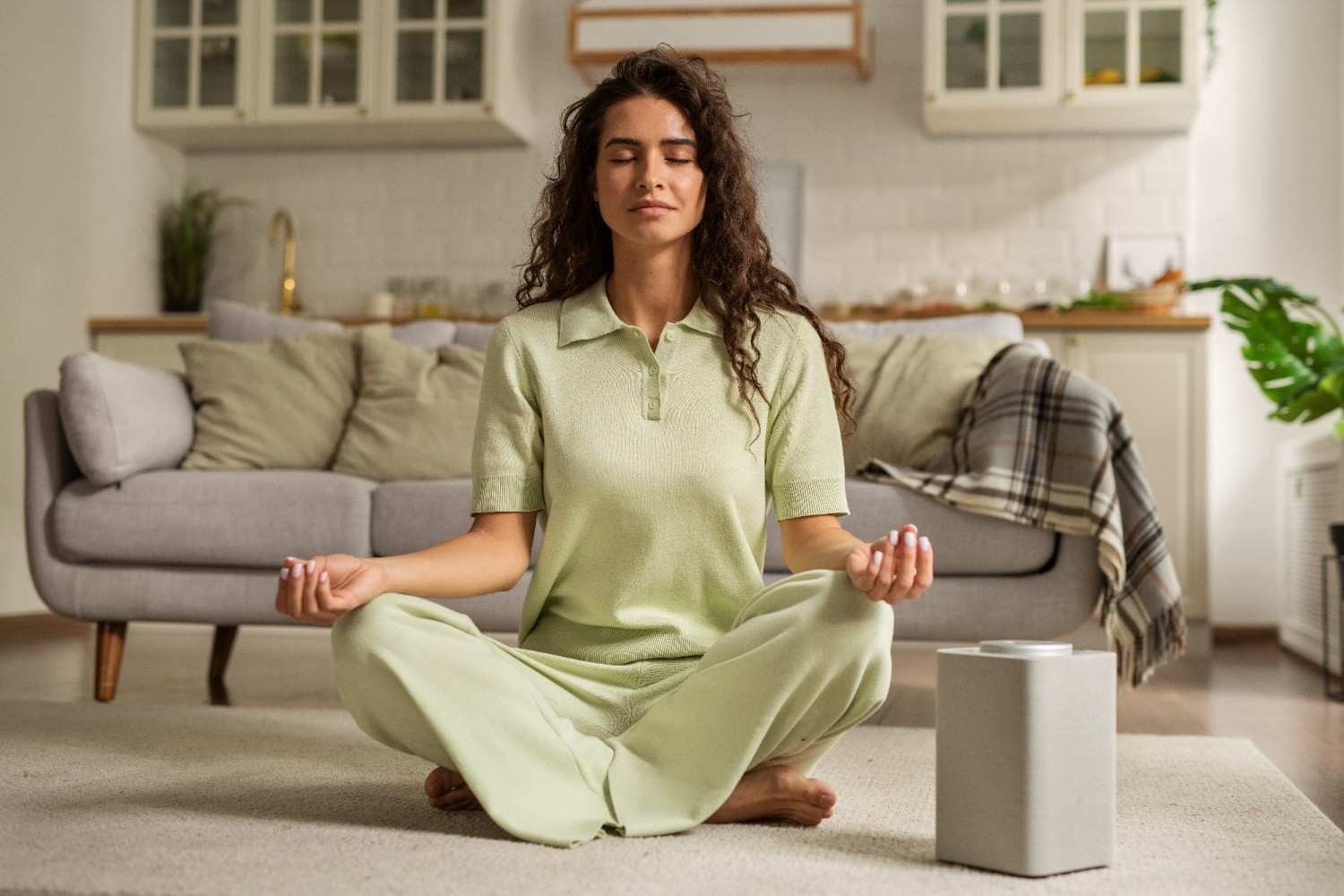
Why Screens Make Morning Anxiety Worse
It’s tempting to grab your phone the moment you open your eyes, scrolling through social media, emails, or news notifications. But screens immediately activate your nervous system. They introduce stimulation before your brain has adjusted to being awake.
This increases morning anxiety symptoms, especially if you wake up already tense or overwhelmed. Your brain begins processing information before you’ve taken a breath, and stress hormones get triggered fast.
How to Calm Anxiety Every Morning
Try a simple five-minute pause before looking at a screen. Instead of scrolling, stay still, stretch, or sip water quietly. This gentle transition helps create daily anxiety relief, giving your mind space to settle before the day begins.
Even two or three minutes of silence can become your daily morning anxiety routine.
2. Use Deep Breathing to Reset Your Nervous System
Why Deep Breathing Helps
When you wake up anxious, your nervous system is already in a stress state. Deep, slow breathing signals safety to the brain, helping calm the fight-or-flight response.
A simple breathing practice works wonders for morning anxiety because it slows the heart rate, relaxes the muscles, and reduces emotional pressure.
Try This: The 4–6 Breathing Pattern
- Inhale gently for a count of 4
- Hold for 2
- Exhale slowly for 6
Longer exhales calm the vagus nerve, supporting emotional regulation and steadying the body’s stress response. Even 30–60 seconds can deliver noticeable daily anxiety relief.
Pair this with stretching and your habits to reduce anxiety will feel grounded rather than rushed.
3.Nourish Your Body Before Caffeine
Why Coffee Can Increase Morning Anxiety Symptoms
Many people drink coffee the moment they wake up, especially if they’re tired or stressed. However, caffeine stimulates the nervous system. When consumed on an empty stomach, it can intensify morning anxiety symptoms, including:
- jitteriness
- racing thoughts
- fast heartbeat
- restlessness
Instead of immediate caffeine, try drinking water and eating a balanced breakfast first. Stable blood sugar promotes emotional steadiness and keeps morning anxiety from escalating.
Support Your Morning Anxiety Routine
Foods high in protein, like eggs, yogurt, nuts, or oats, help stabilize cortisol levels and reduce emotional tension. When your body feels nourished, your mind feels calmer.

4. Create Predictable Routines for Emotional Stability
Why Routine Helps
A predictable morning anxiety routine helps your brain understand what is coming next. Anxiety often increases when mornings feel chaotic, unpredictable, or rushed.
Having a routine communicates structure and safety to your nervous system. Instead of waking up into emotional uncertainty, you start your day with intentional order.
Try a Gentle Step-by-Step Flow
You can arrange your morning in a simple sequence:
- wake up slowly
- hydrate
- stretch or breathe
- shower or wash your face
- eat breakfast
- look at your schedule
Routine becomes one of the most effective habits to reduce anxiety, because emotional predictability is soothing.
5. Write Your Thoughts Before Your Day Begins
Why Journaling Helps Calm Anxiety Every Morning
When your mind is full before you even get out of bed, it often means unprocessed thoughts from yesterday carried into today. Writing creates emotional clarity, helping your brain release mental pressure.
You don’t need a long journal session. Two to five minutes is enough to calm the emotional overwhelm that fuels morning anxiety symptoms.
Try This Simple Morning Release
Write down:
- three worries or tasks on your mind
- one simple goal for the morning
- one sentence of reassurance
This practice empties emotional noise and helps create daily anxiety relief before stress builds up.
It also prevents overthinking from hijacking your morning.
6. Move Your Body Gently Before the Day Gets Busy
Why Movement Supports Emotional Regulation
Gentle movement, stretching, yoga, walking, dancing, or light exercise, helps lower cortisol, improve circulation, and ease morning tension.
Movement shifts your energy from rumination to presence. It increases endorphins, which naturally calm morning anxiety without forcing the mind to “feel better.”
A Calming Morning Movement Habit
You don’t need a workout routine. Try:
- a 5-minute stretch
- a slow walk
- a warm shower
- yoga postures for grounding
Physical motion tells your nervous system the day has begun safely, creating habits to reduce anxiety that feel nurturing rather than demanding.
Understanding Morning Anxiety Symptoms
Many people assume anxiety hits randomly, but there are meaningful reasons mornings feel harder.
Common morning anxiety symptoms include:
- racing thoughts
- tight chest
- restlessness or dread
- tension before getting out of bed
- difficulty breathing deeply
- sudden irritability or overwhelm
These experiences are often tied to cortisol peaks, emotional overload, unfinished worry cycles, or nervous system sensitivity.
Knowing what you’re feeling helps reduce fear and build a supportive morning anxiety routine.
Why Morning Anxiety Is So Common
Anxiety is often strongest in the morning because:
- cortisol rises naturally
- the brain anticipates responsibilities
- unprocessed feelings from yesterday linger
- the mind has no distractions yet
- blood sugar may be low
- sleep may have been fragmented
None of this means something is “wrong.” Morning anxiety is simply a sign that your nervous system is trying to protect you.
The more calmly you transition from sleep into wakefulness, the easier it is to calm anxiety every morning. Here the complete guide for moring anxiety.
Putting Your Morning Together
When you combine gentle habits, breathing, stretching, writing, nourishing your body, reducing stimulation, and predictable sequences, you give your nervous system a safe on-ramp into the day.
Your morning anxiety routine doesn’t need to be long or complicated. In fact, the most effective practices are simple and repeatable.

Try choosing one or two habits to start with:
- pause before phones
- hydrate
- breathe deeply
- journal briefly
- eat breakfast
- stretch or move
As these become daily rhythms, morning anxiety symptoms soften and you begin to feel emotionally steady before responsibilities begin.
Final Thoughts
If you wake up feeling tense, overwhelmed, or emotionally full, know that morning anxiety is a common experience, not a personal failure. Your mind and body simply need gentler transitions, emotional space, and predictable patterns.
A few intentional habits, done consistently, can calm anxiety every morning and support long-term emotional regulation. Little by little, mornings stop feeling like a battle and start feeling like a slow exhale.
You deserve a peaceful beginning.
Your body isn’t working against you, it’s asking you to care for it.